
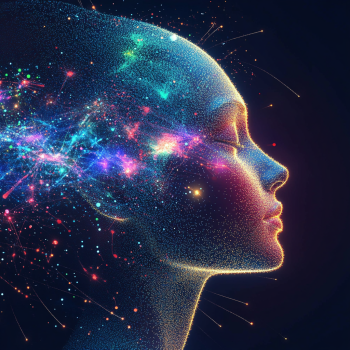
AI-Generated Creativity: Can Algorithms Ever Replace the Human Touch in Branding?
AI-generated content is making everything easier for companies looking to push out content, but branding itself is also undergoing a transformation. From automated logo designs to copywriting, businesses are reaping the benefits when they take advantage of these AI tools to create faster, more efficient solutions.
But this begs the question: can AI ever truly replace the human touch in branding?
The Role of AI in Branding
AI’s ability to review any data you input and then generate content at scale has undeniably revolutionized the branding landscape. AI can now produce simple logos, marketing copy, social media content, and even entire ad campaigns in a fraction of the time it would take a human team. In fact, a study done by Forrester found that 56% of marketing professionals already use AI in their creative processes, with 65% planning to increase its use over the next two years.
While AI does a good job of mimicking certain creative processes within a company, the results aren’t there—they lack depth, nuance, expertise, and emotional intelligence that human creativity offers. Yes, AI tools are amazing, and they can help streamline so many of your business processes, but they lack the ability to tap into cultural contexts, personal experiences, and the subtle emotional cues that make branding resonate with audiences on a deeper level.
So, Can AI Replace Human Creativity?
Despite AI being literally everywhere, it’s unlikely that it’ll ever replace human creativity in branding. Creativity is not just about combining existing data—it’s about drawing useful information from human emotions, societal trends, and individual lived experience. While AI will help you in automating repetitive tasks and providing data insights, the spark of innovation misses the mark without human touch and expertise.
AI might generate a ton of logo variations based on design preferences, but a seasoned designer knows when a color palette or shape feels just right for the brand’s identity. A McKinsey report highlights that while AI will help to increase efficiency by up to 20-30%, creative problem-solving and strategy development still require human input to make sure everything aligns with your brand and business goals.
Why Human Touch is Key
Even the most advanced AI tool can spit out almost anything you ask of it. However, they all miss out on the human expertise required to guide, refine, and fully optimize. A well-designed AI can produce impressive results, but without human expertise and insight, the output has a higher chance of being generic or misaligned with the brand’s voice and market position.
Storytelling is a great example. AI lacks the ability to understand a brand’s message, cultural relevance, and the feeling of customer relationships—and the ineffable mixture that produces. This is where human touch becomes indispensable.
An AI tool might suggest content based on a trending keyword or a few trending phrases, but it is a human marketer who can really dig in and fine-tune that content to align with the company’s established tone, ethos, and strategic objectives (really what they want to get out of the content being generated).
Human creativity ensures that the emotional and contextual elements of branding are effectively communicated.
Balancing AI and Human Creativity
If the creative director—or even the CEO—says that they’re adopting AI tools to help with the marketing process, you can take a deep sigh of relief, because it doesn’t mean they’re replacing the human element… it means they’re augmenting it. AI can handle all of the data-heavy tasks, allowing the humans to focus on more important strategies and creative elements. By combining the strengths of AI and human expertise, brands can streamline their creative workflows without neglecting the emotional and cultural depth that drives a successful marketing campaign.
Ultimately, the future of AI in the world of marketing will most likely be a collaborative one—not one in which a tool will replace you. As AI tools become more sophisticated, their ability to generate and analyze content will improve. However, sleep tight, because the expertise, intuition, and emotional insight humans bring to branding and marketing are irreplaceable. While AI can assist in the process, it’s the human touch that turns data into stories, and stories into market share.
Takeaways
Creative and marketing processes that take advantage of AI will be able to develop faster than those that don’t. Within the marketing process, with AI, you’ll make everything faster, and generate far more—and more useful—data. However, the human touch remains crucial in ensuring that branding and messaging retains the emotional resonance and strategic depth needed. As the data show, businesses are embracing AI, but humans are still necessary to unlock the true potential of these tools, and create brands and stories that truly connect with audiences.
The future of branding isn’t about choosing between AI and humans—it’s about how the two can work together to create something greater than either could do alone.
Ready to transform your brand story?
Schedule a free diagnostic to see how we can help.
Schedule The Diagnostic