
Myths, Machines, and Meaning: The Primal Code
Unlocking Consumer Behavior with AI and Archetypes
In the previous article, we explored the power of shared myths and archetypes in building resonant brands, and how AI is revolutionizing the way these narratives are crafted and propagated.
But to create truly compelling brand stories, we must first deeply understand the people we aim to reach—their desires, fears, motivations, and unconscious drivers of behavior.
This is where the cutting edge of consumer insights and brand strategy is heading, at the intersection of AI, depth psychology, and the enduring power of archetypes.
The cognitive revolution—as Yuval Noah Harari explains in "Sapiens"—marked a pivotal point in human evolution, enabling us to imagine and communicate abstract concepts, and to cooperate in large numbers based on shared beliefs.
This ability to think symbolically and weave shared narratives is at the heart of how brands forge deep connections with consumers.
But these connections are not just forged on a rational level. As Carl Jung argued, there is a deeper layer of the psyche—the collective unconscious—that houses universal archetypes, symbols, and patterns that shape our behavior in powerful ways.
These archetypes are the "primal code" that brands must tap into to create truly resonant stories and experiences.
Consider the iconic "Just Do It" campaign from Nike. On the surface, it's a simple exhortation to action...

But on a deeper level, it taps into the Hero archetype—the universal human desire to overcome challenges, to triumph against the odds, to realize our full potential. By consistently embodying and evoking this archetype, Nike has forged a deep emotional bond with millions of consumers around the world.
But how can brands systematically uncover and leverage these deep archetypal insights?
This is where AI comes in. With the power to analyze vast amounts of data from social media, online forums, and other digital sources, AI can help us decode the patterns of meaning, emotion, and motivation that drive consumer behavior.

For example, IBM's Watson NLP (natural language processing) service uses linguistic analytics and machine learning to extract personality characteristics from digital communications. Recommendation engines use consumer behavior data and AI algorithms to help discover data trends to be used in the development of more effective up-selling and cross-selling strategies, resulting in more useful add-on recommendations for customers during checkout for online retailers.
By analyzing the content that consumers create and engage with online, brands can gain a deeper understanding of their archetypal profiles and emotional drivers.
This AI-powered approach to consumer understanding is already transforming industries.
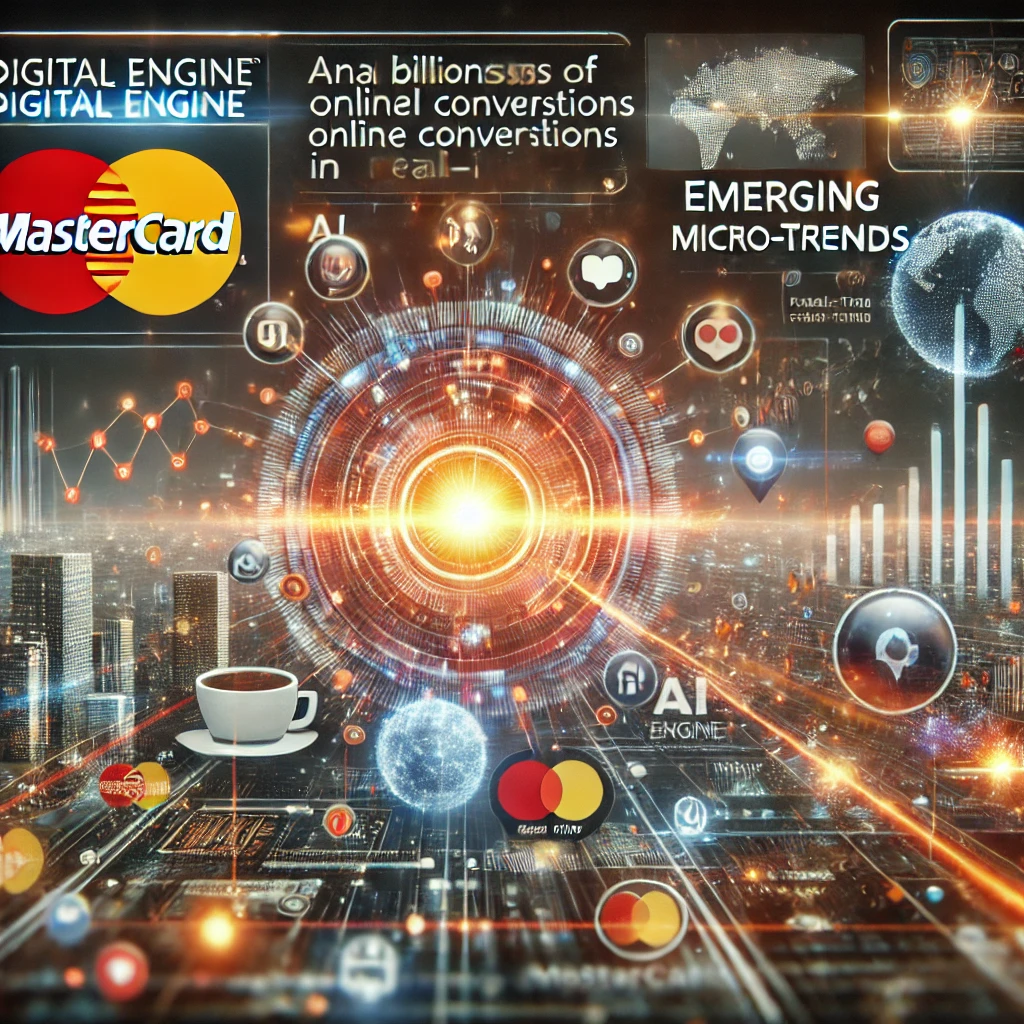
Mastercard, for instance, uses an AI tool called Digital Engine to analyze billions of online conversations in real-time and identify emerging micro-trends relevant to their business. By aligning these insights with archetypal narratives, Mastercard can craft highly targeted and emotionally resonant marketing campaigns that have led to significant increases in engagement.
But AI's potential goes beyond just understanding consumers—it can also help brands develop and personalize narratives in powerful ways.

Netflix is a great example. They use AI to analyze individual viewing habits and deliver specific versions of show or movie trailers that align with each user's archetypal preferences. For instance, a female consumer sees the trailer with the frame of her favorite actor, while another consumer sees the frame that demonstrates her preferred type of story plot.
By tapping into the power of archetypal storytelling on a hyper-personalized level, Netflix enhances viewer engagement and strengthens emotional connections with its brand.
As these examples illustrate, the combination of AI and archetypal psychology is immensely powerful.
By leveraging machine learning to uncover deep patterns of meaning and motivation, and then using that understanding to craft resonant archetypal narratives, brands can connect with consumers on a truly primal level.
But wielding this power effectively requires more than just technology— it requires a deep understanding of archetypal theory and a commitment to authentic, human-centric storytelling. Brands must use these insights not to manipulate, but to genuinely understand and serve their customers' deepest needs and aspirations.
Some key best practices for aligning AI-powered brand messaging with archetypal patterns include:

1. Ground your AI insights in a deep understanding of Jungian archetypes and their universal patterns of meaning.
2. Use AI not just to analyze, but to enhance empathy—to gain a richer, more human understanding of your customers as holistic and nuanced individuals.
3. Craft your brand narratives and experiences around authentic archetypal themes that align with your brand's core values and purpose.
4. Use AI to personalize your messaging in ways that resonate with each individual's unique psychological profile.
5. Continuously test and refine your strategies based on real-world feedback and results.
By adapting these guidelines to your strategic creative process, brands can harness the power of AI and archetypes to create truly magnetic brand experiences—experiences that not only capture attention, but captivate over time, forging deep, lasting bonds on an unconscious level.
In the age of AI, the brands that win will be those that can tap into the primal code of human motivation and meaning.
By combining cutting-edge technology with timeless psychological insights, these brands will become the myth-makers and meaning-makers of the 21st century.
And those that do it with authenticity, empathy, and a genuine commitment to their customers' wellbeing will be the ones that endure.
Stay with us, as we continue to explore this journey of discovery, inspired by Yuval Noah Harari's masterwork, "Sapiens"...
Ready to transform your brand story?
Schedule a free diagnostic to see how we can help.
Schedule The Diagnostic